Hidden Losses:
How Much Revenue is Your "Small" 5-Acre Wet Spot Actually Costing You?
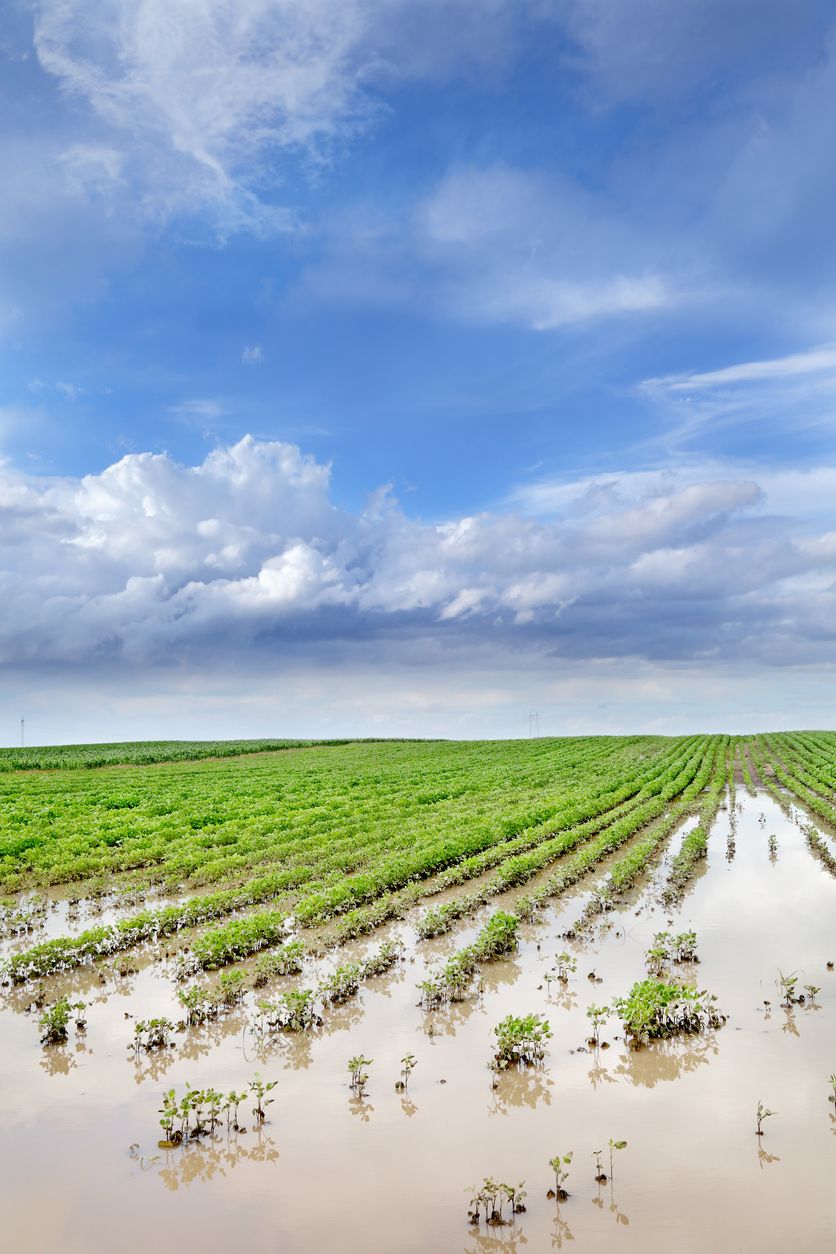
Ask any farmer in Minnesota or the Dakotas, and they can point right to it: that stubborn 5-acre patch in the north quarter that stays tacky long after the rest of the field is dry. It’s easy to write it off as "just a few acres," but when you look at the math, that small wet spot is a massive leak in your farm's bucket.
The Math of the "Zero-Yield" Zone
A 5-acre wet spot isn't just underperforming; often, it’s a total loss. Between seed, fuel, and fertilizer, you are putting 100% of your inputs into ground that may only give you a 20% return—or nothing at all.
- Input Waste: You’re still driving the planter over it, applying high-priced nitrogen, and spraying for pests. If corn is $4.50 and your yield goal is 200 bushels, you’re losing $900 per acre in gross revenue alone.
- Prevented Planting: If that spot keeps you out of the field during the optimal window, you face "prevented planting" claims which rarely cover the true potential of a high-yielding crop.
- The "Yellow Corn" Penalty: Even if the crop grows, saturated soils lead to denitrification. Your nitrogen literally disappears into the air, leaving you with stunted, yellowed plants that lack the test weight to be profitable.
The Operational "Hidden" Costs
The financial drain goes beyond just the bushels lost. There is a secondary layer of expenses that farmers often forget to calculate when considering the ROI of farm drainage tile.
- Equipment Wear and Tear: How many times have you nearly buried a $500,000 tractor in that spot? The strain on transmissions, the cost of tow-outs, and the risk of damaging expensive implements are all "wet spot taxes."
- Soil Compaction: Trying to mud-in a crop creates deep compaction layers. This destroys soil structure for years, making it even harder for water to infiltrate in the future.
- Labor Inefficiency: Planning your entire day around one wet patch—switching equipment, changing routes, or waiting three extra days to start harvest—costs you the most valuable resource you have: time.
Why Small Spots Benefit Most from Precision Technology
You might think 5 acres is too small for a professional crew. On the contrary, small, targeted projects often see the fastest payback. By using GPS and LIDAR technology, we can pinpoint the exact "basin" of that wet spot.
Instead of guessing, we design a system that:
- Finds the natural fall of the land.
- Installs tile at the Perfect Grade to ensure it never silts up.
- Connects to an existing main or a dedicated Pump Station if gravity isn't on your side.
Calculating the ROI of Farm Drainage Tile
Let's look at a conservative 5-year outlook for that "small" 5-acre spot:
- Year 1-2: The system pays for its own installation through reclaimed yields and eliminated input waste.
- Year 3-5: That spot is now one of your most productive areas because it likely has the richest organic matter from years of "rest."
- Long-Term: The ROI of farm drainage tile extends to your land value. Tiled ground sells and rents for significantly more in the Midwest market.
Stop Farming Around Your Profits
At Ag Tech Drainage, we specialize in turning these "hidden losses" into visible gains. Whether it’s a 5-acre nuisance or a 500-acre project, our technology-driven approach ensures the job is done better, faster, and more efficiently than anyone else.
Don't let another season go by where you're throwing money into the mud. Visit our Pricing Page for a free estimate and see how affordable it is to fix your drainage once and for all.